Your first Airbnb is live. Now comes the real work. Treating property management as a simple key handover is a fast track to a 4.1-star rating and an empty calendar. The difference between a profitable rental and a costly hobby is how you manage day-to-day operations.
This guide breaks down the four ways to manage your property, the real costs involved, and how to choose the path that fits your goals.
TL;DR
- Property management is the daily work of running your rental, from marketing and pricing to cleaning and guest support.
- You have four management options: pure DIY, DIY with software, hiring a co-host, or hiring a full-service company.
- The best choice depends on your budget, time commitment, and number of properties.
- Management fees typically range from 10% to 35% of your booking revenue.
- Using vacation rental management software is the foundation for any management style, enabling efficiency and scale.
What is Airbnb property management?
Airbnb property management is the complete operational oversight of a short-term rental. It is the engine that runs your business, turning a listing into a reliable source of revenue. The role combines at least five distinct jobs.
Your core responsibilities include:
- Listing management: Creating, optimizing, and syncing your listing across multiple booking platforms like Airbnb, Vrbo, and Booking.com.
- Revenue management: Setting and adjusting your nightly rates based on seasonality, local demand, and competitor pricing.
- Guest communication: Responding to inquiries, confirming bookings, answering questions, and handling issues 24/7.
- Turnover coordination: Scheduling cleaners, restocking supplies, and inspecting the property between every single stay.
- Maintenance and repairs: Finding and dispatching vendors to fix everything from a leaky faucet to a broken HVAC unit.
- Financial administration: Tracking income, managing expenses, and handling trust accounting and owner payouts.
The 4 ways to manage your Airbnb
You have four distinct options for managing your property. The best choice aligns with your financial goals, time commitment, and desired level of control.
Option 1: Self-management (the DIY host)
This is the completely hands-on approach. You are the marketer, the pricing analyst, the guest support agent, and the cleaning coordinator. You do everything yourself.
The primary benefit is cost. You keep 100% of your revenue because you pay zero management fees. You also maintain complete control over every detail of the guest experience. The downside is the time commitment. Managing even one property can feel like a part-time job. A booking inquiry arrives during a work meeting, and by the time you can reply, the guest has booked somewhere else.
Option 2: Self-management with software (the efficient host)
This is the modern approach to DIY. You still maintain control but use technology to automate the most repetitive and time-consuming tasks. Instead of manually sending check-in instructions or coordinating cleaners, software does it for you.
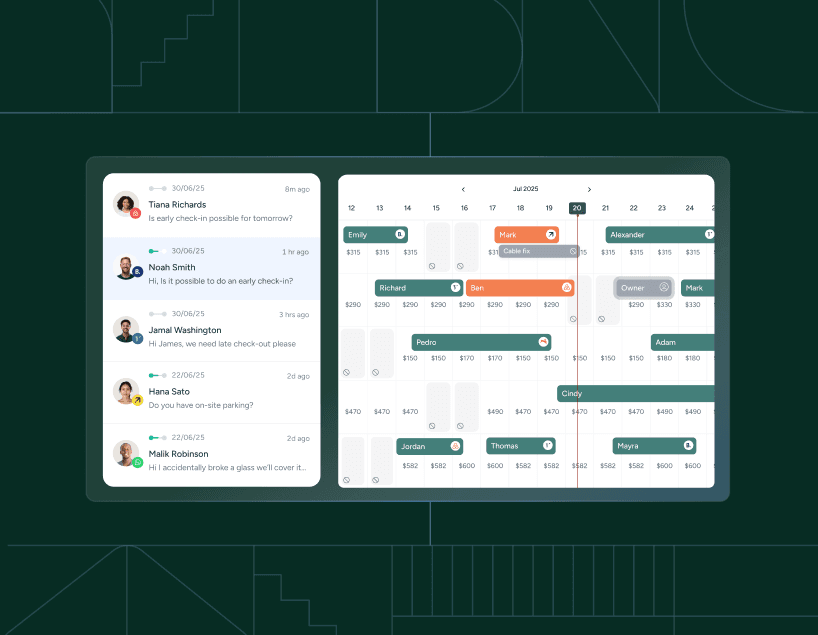
Automate your guest messages so every guest gets the right information at the right time. Use a single Unified Inbox to manage conversations from Airbnb, Vrbo, and your email without switching between apps. Set up smart workflows with Automation Tools to schedule cleanings automatically after every checkout. This approach lets you run your business like a professional without hiring one, saving you dozens of hours a week.
Option 3: Hiring a co-host or individual manager (the local partner)
A co-host is an individual you hire to share the management workload. They might handle on-the-ground tasks like check-ins and maintenance while you manage online communication and pricing. Or they might do it all.
This model offers more flexibility than a large company. The relationship is more personal, and you can often negotiate a custom scope of work. The risk is that you are relying on one person. If they get sick, go on vacation, or become unreliable, your business is exposed. Informal agreements can also lead to miscommunication and disputes down the line.
Boost your short term rentals today
Option 4: Hiring a full-service company (the hands-off investor)
This is the most hands-off option. You sign a contract with a professional property management company, and they handle everything from marketing to maintenance. You receive a monthly statement and a check.
This path is ideal for investors who want passive income and have no interest in the daily operations. The trade-off is cost and control. Management fees can be substantial, and you give up direct control over your property’s brand and guest experience. The best companies provide transparency through a dedicated Owners Portal, giving you visibility into your property’s performance, bookings, and financial statements.
Which Airbnb management style is right for you?
Use this table to find the best fit for your situation.
| Management Style | Best For… | Average Cost / Fees | Key Benefits | Potential Drawbacks |
|---|---|---|---|---|
| Self-Management | Hosts with 1 property, ample free time, and a desire for total control. | 0% | Maximum profit, full control over guest experience. | Extremely time-consuming, steep learning curve. |
| Self-Management + Software | Hosts with 1-3 properties who want efficiency and scalability. | $25-$150/month | Saves time, reduces errors, professionalizes operations. | Requires setup and learning a new system. |
| Hiring a Co-Host | Hosts who need local, on-the-ground help and prefer a personal relationship. | 10-25% of revenue | Flexible, personal service, local expertise. | Reliant on one person, potential for inconsistency. |
| Hiring a Full-Service Company | Investors seeking passive income or owners who live far from their property. | 15-35% of revenue | Completely hands-off, professional systems. | Highest cost, loss of direct control over brand. |
Airbnb property management fees
If you decide to hire help, you need to understand how you will be charged. Most fee structures fall into one of these categories.
Commission-based fees
This is the industry standard. The manager charges a percentage of the total booking revenue, typically between 15% and 30%. This model aligns the manager’s incentives with yours. They make more money when you make more money. The percentage often depends on the market and the level of service provided.
Fixed-rate fees
Less common, a fixed-rate model involves paying a flat fee per month, regardless of your rental income. This can be beneficial during peak season when your revenue is high, but it can hurt during the off-season when bookings are slow. It provides predictable costs for you and predictable income for the manager.
Other common charges
Read your management agreement carefully. Beyond the primary fee, you may encounter other costs:
- Onboarding fee: A one-time charge for setting up your listing, photography, and initial optimization.
- Cleaning fees: These are usually passed on to the guest, but the manager may add a markup.
- Maintenance costs: Managers may charge a markup on vendor services (e.g., 10-20%) or a separate fee for coordinating repairs.
The foundation for growth: managing your business with a PMS
Whether you self-manage, hire a co-host, or build a full-service company, one tool is non-negotiable: a vacation rental management platform. It is the central operating system for your business. A PMS complements any management style, providing the software that makes professional operations possible at any scale.
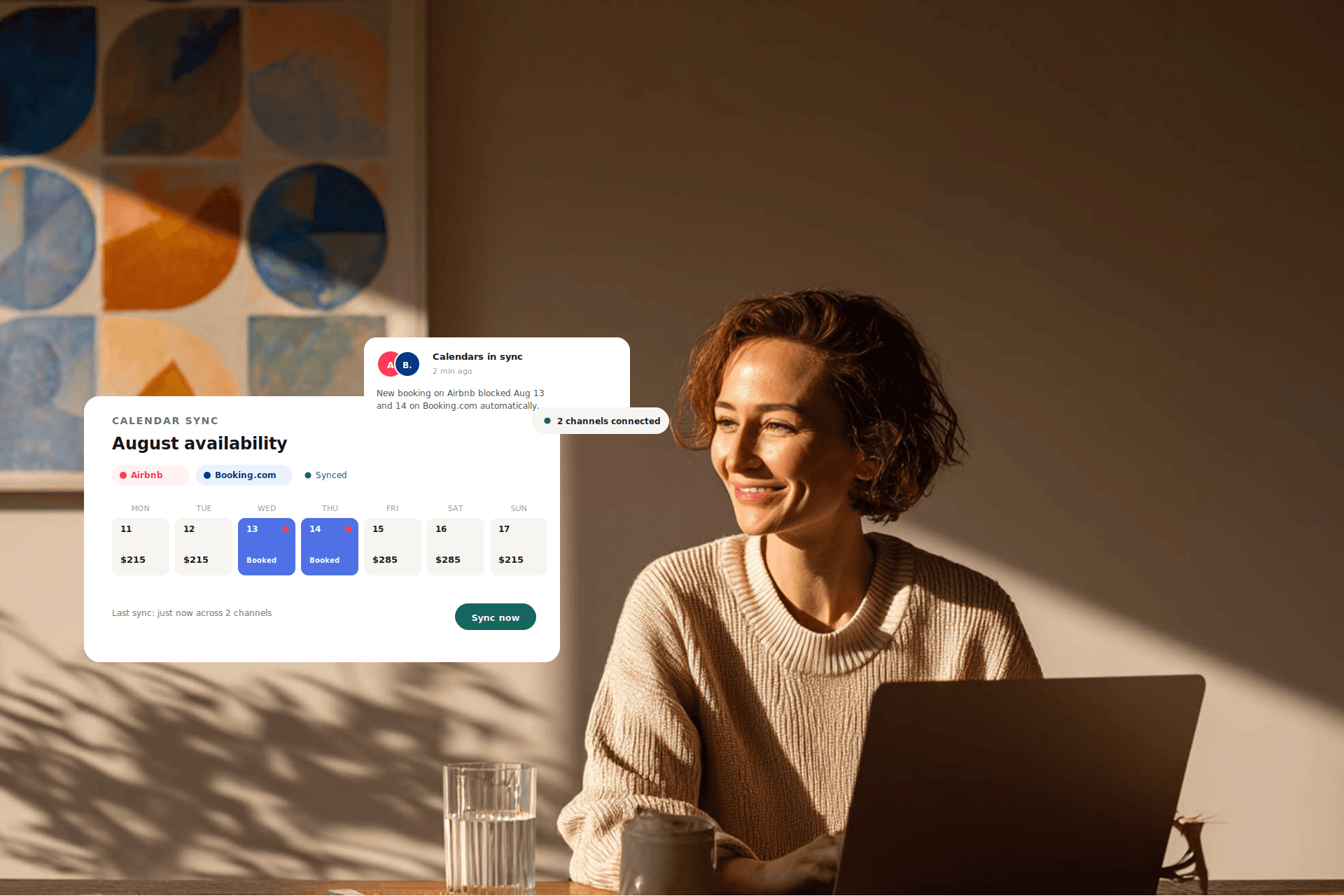
A platform centralizes every aspect of your operation. It syncs your calendars to prevent double bookings. It automates guest communication. It provides the data you need to make smarter decisions about your business. With robust Reporting and Analytics, you can track your revenue, occupancy, and performance by channel, turning raw data into actionable insights for growth.
As your business grows, your management needs will evolve. Guesty’s platform is designed to scale with you, offering Guesty® Lite™ for hosts managing 1-3 properties, Guesty® Pro™ for professional managers with 4-499 listings, and Guesty Enterprise™ for large-scale hospitality brands.