TL;DR: Transform your home into a successful Airbnb by depersonalizing the space, maintaining hotel-level cleanliness, adding personality through decor, prioritizing guest convenience with smart locks and clear instructions, stocking essential amenities, and being generous with welcome touches. Before listing, check local regulations, including zoning laws, business licenses, and HOA rules.
So, you want to become an Airbnb host. Before jumping in, make sure your home is ready for guests. It’s much harder to recover from a bad reputation than to prepare properly from the start.
So, you want to become an Airbnb host. Before jumping in, make sure your home is ready for guests. It’s much harder to recover from a bad reputation than to prepare properly from the start.
The advantages of listing on Airbnb include increased exposure, built-in trust through the review system, and reduced risk through host protections. The downside: competition. The key to a successful listing lies in how you manage and optimize both your property and your listing to create happy guests and attract more bookings.

First, we’ll focus on transforming your property into guest-ready accommodation. When you’re ready to create a listing, check out our step-by-step guide for Airbnb hosts.
If you want your short-term rental to stand out and draw bookings, think about the guest experience. The more guests enjoy their stay, the more positive reviews and better ratings you’ll earn, and the more bookings you’ll bring in. Every detail you put effort into helps create an experience that’s comfortable and memorable.
Your guests’ recommendations are one of the most important ways to build a steady, successful relationship with Airbnb.
Before you list your home on Airbnb, check local regulations that might impact your listing:
- Zoning regulations
- Business licensing laws
- Safety regulations
- Homeowners’ Association (HOA) rules
- Noise and nuisance regulations
Here are seven tips on how to Airbnb your place and create distinct moments that leave guests impressed and reviews raving.
1. How do you make guests feel at home?
A big turnoff for guests is entering a property and feeling like they’re intruding on someone else’s space. Guests want to feel free to make themselves at home. To accomplish this, remove personal items such as family photos, clothing, and other belongings from areas guests will use. Keep them in a locked room or move them to storage. Remove valuables and family heirlooms for their safety.
Clear out closets, dressers, and drawers for guests to unpack and store their belongings. Make sure you have enough space and hangers for the number of guests you can host, even if it means bringing in an extra clothing rack. Feel free to leave out items of interest guests can enjoy: books, artwork, games. While you want guests to feel at home, gently remind them they’re staying in someone else’s house so they’ll behave accordingly.
2. Why is cleanliness critical for Airbnb success?
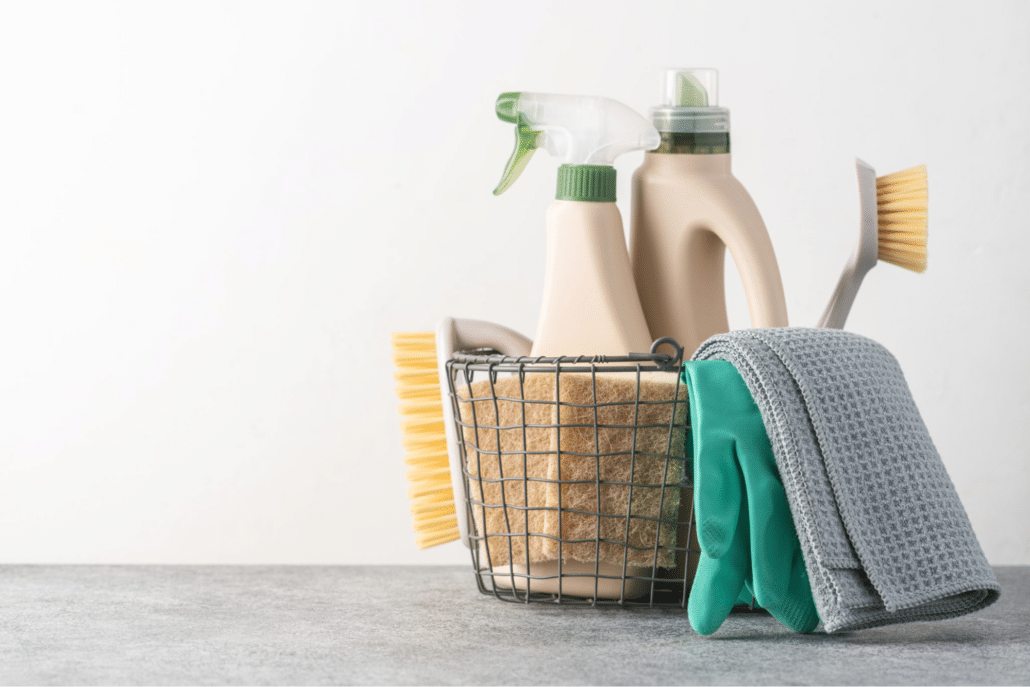
Cleanliness is an absolute necessity, and this doesn’t just mean the obvious sweeping and bathroom scrub. Before each booking, do a deep clean of every room, surface, light fixture, window fixture, light switch, and doorknob. Dust, clean fingerprints and streaks, remove mold and mildew, and clean windows inside and out. Make sure all linens are freshly laundered and garbage cans emptied.
Your guests are comparing this experience with hotels that have an entire staff dedicated to thorough cleaning. Cleaning can be a big undertaking, so one of the first investments you might consider is hiring a cleaning company. The cleaning management process gets much easier with task management platforms such as Turno, a cleaning management integration that works with Guesty.
The same goes for maintenance. These sometimes-small details can make a big difference in a guest’s stay. Before each booking, check everything:
- Light bulbs
- Leaky faucets
- Slow drains
- Loose door handles
- Air conditioning filters
- Water purifying system filters
When it comes to maintenance, be proactive. Don’t wait until guests complain and their experience is dampened.
3. How can you add personality to your rental?
Much of the draw for guests choosing an Airbnb over a hotel is the unique personality each property offers. This personal touch is what makes this type of travel special for both guests and hosts. When decorating and marketing your space, let your personality shine through.
Charm your guests with little touches that turn a “satisfactory” experience into an “exceptional” one by spiking it with unique, memorable moments. This doesn’t require much effort: just think of small ways you can add personality or humor to give guests a fresh and original experience. A dose of personality can come through in even the most trivial aspects of the stay and gives you the advantage of distinguishing your home from other listings in the area.
This can be anything from the theme of your decor, your selection of artwork, or even some creativity with your WiFi code. Being clever and using humor can bring lasting smiles that result in great connections and great reviews.
4. What conveniences do Airbnb guests expect?

Convenience is a major factor in guest experience. As a host, it’s your responsibility to improve satisfaction by making the experience as smooth as possible.
Boost your short term rentals today
Check-in is a golden opportunity to greet guests with convenience by providing a better solution for key exchange. Many options exist to avoid meeting guests in person, letting them come and go on their own schedule. To eliminate this process altogether, abandon keys and invest in a smart or electronic lock that guests can easily open with an access code personalized for each reservation.
If you prefer the traditional lock-and-key system, accommodate your guests’ timing by meeting them at the airport or arranging for a third party to store or deliver the key. Consider keeping your key at a familiar nearby coffee shop, where you can arrange for the barista to welcome your guest with a complimentary coffee or snack, a simple touch can brighten their day.
Whether providing additional amenities or arranging airport pickup, extra conveniences makes guests feel like VIPs.
5. What amenities should you provide in your Airbnb?
The amenities you provide can make or break a booking and the overall guest experience. While some amenities are mandatory, like air conditioning in the summer desert, others are more of a bonus.
Stock the kitchen.
Many guests choose Airbnb for the convenience of a kitchen and the ability to prepare food. Ensure you have basic cooking essentials:
- Pots and pans
- Utensils and cutting boards
- Oven mitts and dish towels
- Condiments and spices
- Eating area with enough seating for your maximum guest count
Make sure standard appliances work properly:
- Fridge/freezer
- Microwave
- Stove and oven
- Toaster and kettle
- Coffee maker
- Dishwasher (if available)
Provide high-speed WiFi and streaming services
WiFi is one of the most requested amenities and expands your renter pool to include business travelers. In 2026, most people expect WiFi access wherever they go. Providing cable, smart TV, or streaming services like Netflix or Hulu gives guests a way to relax after sightseeing or occupy kids before dinner.
Be generous with essentials
Stock up so guests know they won’t run out:
- Clean linens and extra blankets
- Bathroom towels
- Toiletries, toilet paper, and tissues
- Soap, shampoo, and conditioner
- Toothbrushes, toothpaste, razors, and hand lotion
If you have a laundry machine, keep plenty of detergent on hand. If not, provide info about nearby laundromats.
Be prepared for emergencies
While we hope guests won’t need them, keep these accessible:
- Fire extinguisher and smoke detectors
- First aid kit
- Flashlights and batteries
- Weather radio
- Water and non-perishables
- Important local numbers and instructions
- Shovels and ice melt (in relevant climates)
Enhancing your space with amenities can be an ongoing process. You don’t need everything in place before listing, but include enough to start on the right foot with your first guests so they’ll leave positive reviews and get the ball rolling.
Further reading:
- 4 amenities that will differentiate your vacation rental properties
- Airbnb amenities that can help hosts attract more guests
6. How can generosity improve your Airbnb reviews?
One way to stand out among hosts is to go above and beyond expectations. Catching guests off guard with thoughtfulness and willingness to accommodate is the easiest way to make a quick, positive connection.
Nothing charms a guest like a complimentary welcome package waiting upon arrival. Consider a package made up of creativity, thoughtfulness, and generosity. It can be as simple as:
- A map of the surrounding area
- A couple of bottles of water
- Some postcards
- A local delicacy
Or add an extra touch by gifting a bottle of wine or a transit card with money for a few trips already loaded.
If you welcome guests with giving, you’ll not only exceed expectations but also invoke their desire to repay the favor (as in, a very warm review on Airbnb).
7. Why should you be clear about house rules?
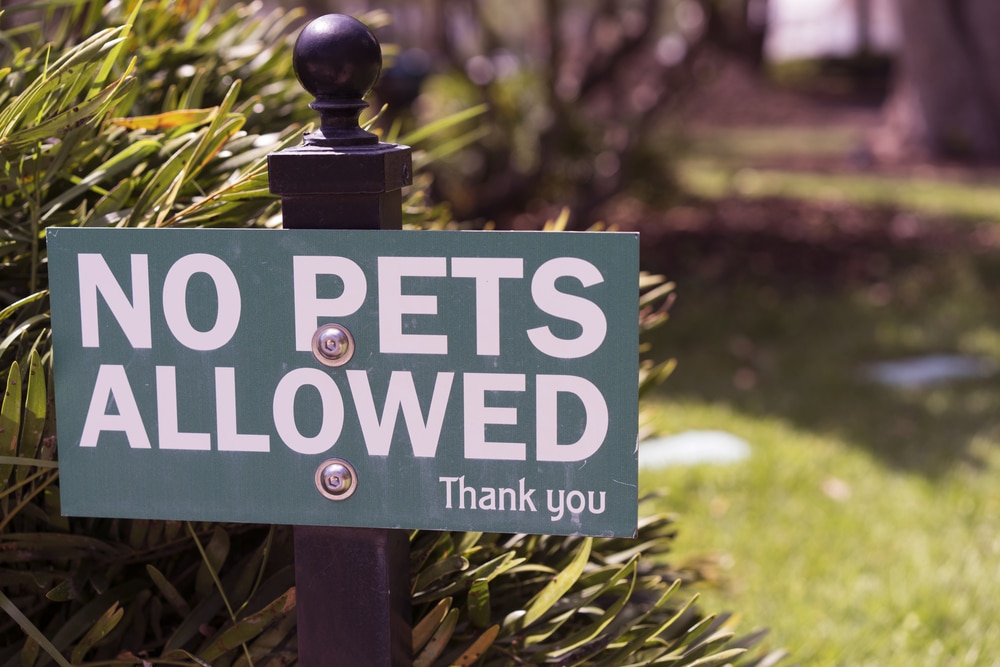
To avoid misunderstandings, be very clear about your house rules. Before bringing guests into your house, decide what your policies will be and present them clearly either before or upon arrival.
Include details such as:
- Smoking and pet policies
- Maximum number of guests
- Specific quiet hours
- Guidelines regarding neighbors
- Instructions for TV remotes, AC, heating, and security
- WiFi passwords and parking info
- Local resources: gas stations, grocery stores, restaurants, attractions, and transportation
Getting started with short-term rental hosting
Each interaction with your guests counts toward their overall impression. To succeed against competition, think outside the box (and inside your guests’ heads) to distinguish your property.
Get creative with how you accomplish this and always consider how you can stand out on both an individual level and a big-picture level. If you’re unique and kind and pay attention to the little details, you’ll optimize your visitors’ experience while maximizing your reputation as a host.
Once your Airbnb is up and running, continue impressing guests by taking advantage of technology to streamline operations. If you’re managing one to four properties, Guesty Lite gives you the tools to automate guest messaging, sync calendars across channels, and handle bookings from a single dashboard—without the complexity of enterprise software. Start a free trial to see how you can make short-term rental hosting less time-consuming and more profitable.