
TL;DR: Shoulder season sits between your peak and low seasons—demand drops, but smart hosts turn it into profit. Drop rates strategically, cut minimum night stays, add early-bird discounts, and partner with local businesses. The goal: keep beds filled while competitors go dark.
Shoulder season is the quiet money. Not the frenzy of summer or ski season, not the ghost town of your slowest months—the stretch in between where most hosts bleed occupancy and a few pocket serious profit.
The shift is real. Travelers are hunting value harder than ever, dodging peak-season crowds and prices. Economic uncertainty, remote work flexibility, whatever the cause—they’re booking shoulder season trips at higher rates than before. If you’re still running peak-season pricing into October, you’re leaving money on listings that sit empty.

What is shoulder season?
Let’s start with the basics. If you’ve never heard about shoulder season before, you might already be familiar with the terms peak season and low season. So let’s break it down:
| Season | Definition | Demand Level |
|---|---|---|
| Peak season | Highest tourism, highest prices | Maximum |
| Shoulder season | Transition period between peak and low | Moderate |
| Low season | Lowest tourism, lowest prices | Minimum |
Why is it called shoulder season?
If you think about your shoulders as being in between your head – or the peak – and your arms, shoulder season follows that principle of being the middle ground.
What can be expected from shoulder season?
As you may already know, the vacation rental industry is highly seasonal, and peak times usually mean higher demand and prices. During shoulder season, you will likely witness a natural drop in demand as there will be less business in your location for your property type. Still, demand should be higher than during low season.

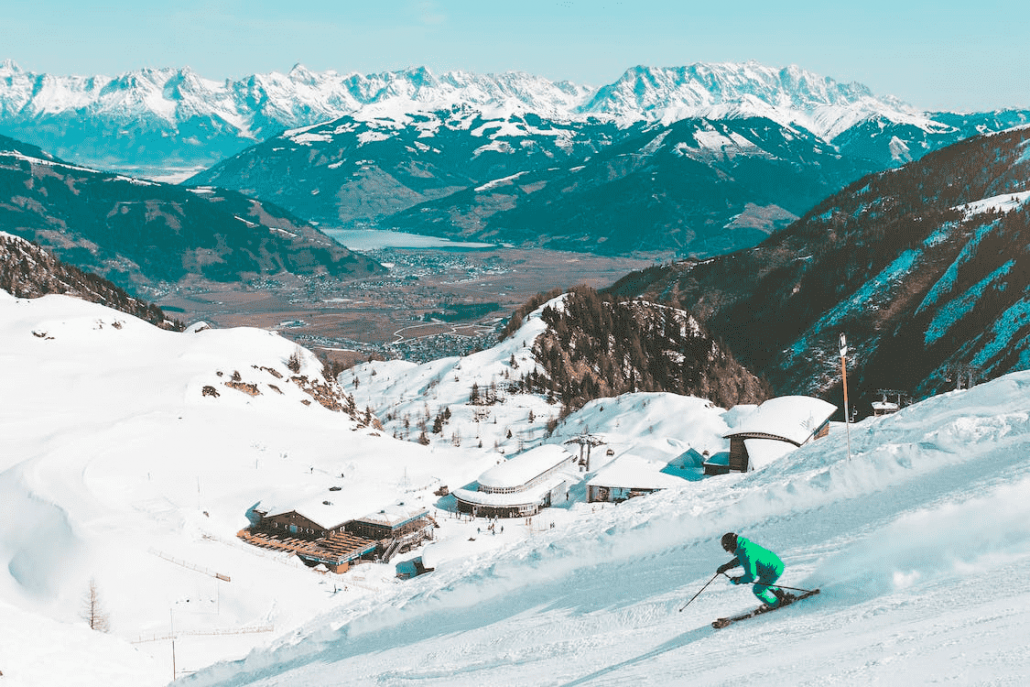
Let’s take the example of a vacation rental located in the south of France. High season will take place during summer, low season in winter, and shoulder season during spring and fall. On the other hand, a ski resort located in Chamonix, France, would have its peak season in winter, and a similar shoulder season in early spring and late fall.
How to determine your shoulder season?
Pin down your shoulder season before you price it. Use this checklist:
- Location and climate – When does weather support tourism without being perfect?
- Local attractions – What draws visitors to your region year-round?
- Annual events – Are there festivals, conferences, or seasonal activities that spike demand?
- Historical booking data – When do your reservations naturally taper?
Understanding these factors lets you price with precision instead of guessing. Your occupancy rates depend on it.
5 strategies to maximize shoulder season profit
1. Adjust your seasonal rates
Drop your nightly rate to match demand. If you’re charging peak prices when travelers have options, they’ll book those options.
That French Riviera rental? Dropping from €300 to €180 in September fills beds that would sit empty. You make €1,260 per week instead of zero.
Boost your short term rentals today
Tools like Guesty’s dynamic pricing watch market demand and adjust automatically. Set your floor price, let the system optimize for occupancy.
2. Cut minimum night requirements
Travelers want flexibility—short stays, last-minute bookings, quick escapes. From January to March 2025, 63% of vacation rental bookings on major platforms were same-day check-ins. [RESEARCH NEEDED: 2026 data on same-day booking trends]

A three-night minimum blocks spontaneous travelers who’d pay for one or two nights. Drop to one-night minimums during shoulder season. More turnover, more cleaning fees, more occupied nights.
3. Run targeted deals and discounts
Travelers love the psychology of deals. Give them a reason to book now instead of later:
- Early bird discounts – 15% off bookings made 30+ days in advance
- Package deals – Free breakfast, spa access, bike rentals
- Extended stay discounts – Book 5 nights, get the 6th free
- Last-minute rates – Drop prices on empty dates within 7 days of check-in
The discount costs less than an empty property. Run the math: a 20% discount on an occupied night beats 100% revenue on a night that stays vacant.
4. Invest in professional photography
Your listing photos compete with hundreds of others. Professional shots—sharp, well-lit, properly composed—make travelers stop scrolling.

Capture wide angles showing the full space, then tight shots of details that make your property unique. Include exterior shots during golden hour, local scenery that shows why the destination matters even in shoulder season.
Poor photos cost you bookings. Great photos justify your rates even when demand softens.
Want to take the perfect photos? Read this article on How to Take Photos that Attract More Bookings.
5. Partner with local businesses
Travelers increasingly want authentic, local experiences. They’re choosing sustainability, supporting communities, seeking what chain hotels can’t offer.
Build a network. Wine tours, cooking classes, local coffee roasters, guided hikes—partner with businesses that enhance stays. Feature these experiences in your listing, include discount codes, create packages.
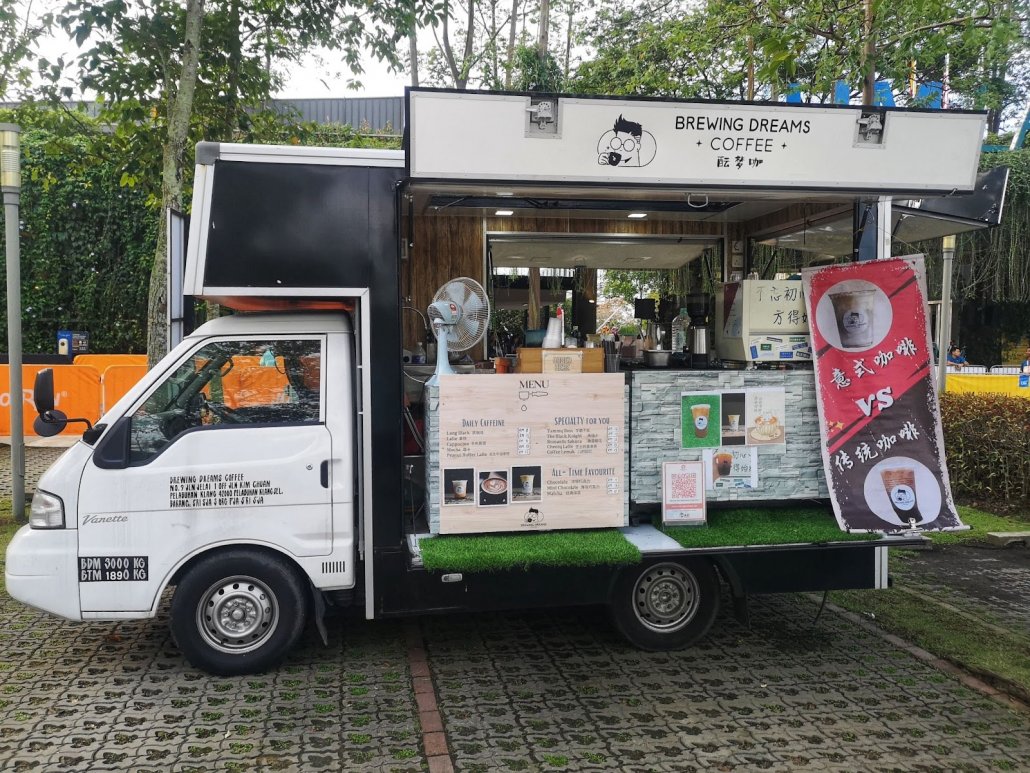
A vineyard partnership turns a standard rental into a wine country experience. A surf shop connection makes your beach house a hub for ocean activities. These relationships fill shoulders when location alone doesn’t.
The shoulder season opportunity in 2026
Shoulder season is becoming a travel trend, not just a calendar quirk. [RESEARCH NEEDED: 2026 shoulder season booking statistics from STR or AirDNA]
Travelers want to avoid crowds. They’re comparing costs more carefully. Remote work lets them travel during traditionally slow periods. The conditions favor hosts who adapt.
Your competitors will keep charging peak rates too long, then drop to desperate discounts. You’ll adjust early, capture the smart travelers, and maintain steady revenue through the transition months.

Play your pricing right, market to the shoulder season traveler, and automate the details. Those quiet months between peak and low? They’re where consistent hosts separate from inconsistent ones.