
TL;DR: Short-term rental insurance protects your vacation rental business from property damage, liability claims, and lost income when something goes wrong. Standard homeowners insurance typically won’t cover you. This guide explains the types of coverage you need, how OTA programs fit in, and how to build the right protection stack for your portfolio.
Owning a short-term rental comes with its fair share of risks, and ensuring the protection of your property and its guests is of utmost importance. One essential aspect of safeguarding your investment is obtaining short-term rental insurance (also called vacation rental insurance).
In this guide, we’ll cover the various types of short-term rental property damage insurance and other types of coverage, as well as actionable advice on how to set yourself up with the right coverage for your rentals. Doing so will allow you to sleep well at night, knowing your property and your business are protected.

What is short-term rental insurance?
Short-term rental insurance is a specialized policy designed for properties run as vacation or short-term rentals. It typically covers guest-caused property damage and liability claims, filling gaps that standard homeowners or landlord policies don’t cover when you operate as a business.
Standard homeowners or landlord insurance policies assume owner- or tenant-occupied properties — not nightly rentals generating business income. The moment you accept paying guests, most standard policies either exclude coverage entirely or void your protection. Short-term rental insurance fills that gap.
Whether you’re running a single Airbnb listing or managing dozens of vacation rentals across multiple platforms, the right insurance stack keeps one bad incident from derailing your business.
Do I need insurance for my Airbnb or vacation rental?
Yes. Here’s the reality most new hosts don’t realize until it’s too late:
Homeowners insurance probably won’t cover you. Most policies exclude “business use” of your property. Accepting payment from guests typically qualifies as business use. Some insurers will cancel your coverage entirely if they discover undisclosed rental activity.
Landlord insurance isn’t designed for short-term rentals either. Landlord policies assume long-term tenants, not a rotating stream of nightly guests. The risk profile is different, and so is the coverage.
OTA programs have limits. Airbnb’s AirCover, Vrbo’s damage protection, and Booking.com’s damage program provide some coverage, but they’re platform-specific and have exclusions. They’re a layer, not a foundation.
The hosts building sustainable businesses treat insurance as operational infrastructure — not an afterthought.
Types of short-term rental insurance coverage
Understanding what’s available helps you build the right protection for your situation. Here are the core coverage types:
Damage protection
Damage protection covers physical damage to your property caused by guests — broken furniture, stained carpets, damaged appliances, holes in walls. This is the coverage that kicks in when accidents happen or a bachelor party gets out of hand.
Some damage protection is reactive (you file a claim after the fact), while integrated solutions like Guesty Damage Protection let you recover losses without guest involvement, eliminating disputes that lead to bad reviews.
Liability insurance
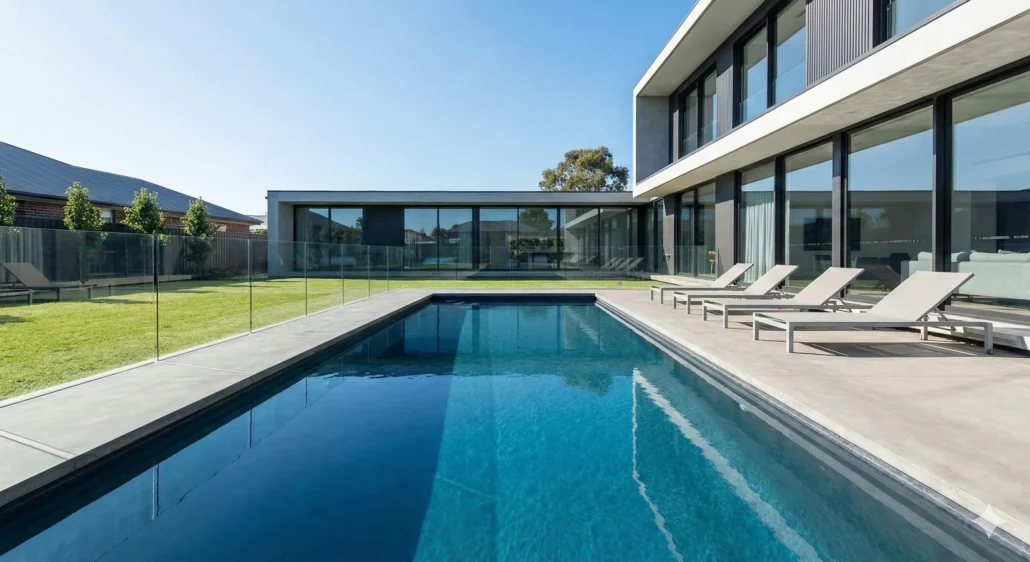
Short-term rental liability insurance protects you if a guest is injured on your property and you’re found legally responsible. Slip-and-fall accidents, pool injuries, balcony incidents, faulty equipment — liability coverage pays legal defense costs, medical expenses, and settlements.
This is the coverage that keeps a single lawsuit from wiping out your business.
Loss of rental income insurance
What happens when your property can’t be rented because of covered damage? Loss of income insurance replaces the revenue you would have earned during repairs.
If a kitchen fire takes a unit offline for six weeks, this coverage compensates for the bookings you couldn’t take. For hosts dependent on rental income, this protection is critical.
Umbrella insurance for short-term rentals
Umbrella insurance extends your liability limits beyond your base policy. If a catastrophic claim exceeds your standard coverage — a major injury, a lawsuit with a large judgment — umbrella coverage handles the excess.
For hosts with multiple properties, high-value units, or properties with elevated risk (pools, hot tubs, waterfront access), umbrella coverage adds a crucial safety layer.
Business insurance for short-term rental owners
If you’re operating at scale — multiple properties, employees, significant revenue — you may need business insurance that goes beyond property-level coverage. This can include general liability, workers’ compensation, and business interruption coverage.
The threshold varies, but once you’re running a legitimate business operation, your insurance should reflect that.
Homeowners insurance vs. short-term rental insurance
This is where most hosts get tripped up.
Homeowners insurance is designed for owner-occupied residences. It assumes you live there, that visitors are occasional guests (not paying customers), and that the property isn’t generating business income.
Short-term rental insurance is designed for properties operated as vacation rentals. It accounts for the higher turnover, the commercial nature of the activity, and the specific risks that come with hosting strangers.
The gap matters. A guest slips on your stairs and sues. Your homeowners policy? Likely excludes the claim because you were running a business. A short-term rental policy? Covers it.
Boost your short term rentals today
Before listing your first property, check your homeowners’ policy language. If it excludes business purposes or paying guests, you need dedicated vacation rental insurance — or you’re operating without a net.
Landlord insurance vs. short-term rental insurance
Landlord insurance covers rental properties, but it’s designed for long-term tenants — six-month or year-long leases, not nightly bookings.
The risk profile is different. Long-term tenants undergo credit checks, sign extended leases, and have skin in the game. Short-term guests rotate constantly, stay briefly, and have less incentive to protect your property.
Most landlord policies either exclude short-term rental activity or require endorsements that add coverage (and cost). If you’re converting a long-term rental to short-term, don’t assume your existing policy transfers. Confirm with your insurer.
What OTAs cover (and what they don’t)
Each major platform offers some level of protection, but these programs are supplements, not substitutes for real insurance.
Airbnb
Airbnb’s AirCover for Hosts includes $3M in damage protection and $1M in liability coverage for Airbnb stays. It’s automatic and covers basics like guest-caused damage, certain cleaning costs, and liability for guest injuries.
The catch: it only covers Airbnb bookings. Direct bookings, Vrbo reservations, and Booking.com stays aren’t covered. And the claims process requires guest involvement, which can lead to disputes and bad reviews.
Vrbo
Vrbo offers Property Damage Protection (an optional plan travelers can purchase) and traditional damage deposits. Hosts can require either. Coverage is more limited than Airbnb’s program, and recovery depends on guest cooperation or deposit collection.
Booking.com
Booking.com’s damage program lets hosts request payment for guest-caused damage, with Booking.com facilitating the process. They also offer damage deposit options, though collection is between you and the guest directly.
The pattern: Each OTA provides some coverage for bookings on its platform. None of them cover bookings from other channels. None of them replace dedicated short-term rental insurance.
How to choose short-term rental insurance
When evaluating policies, consider:
Coverage scope: Does the policy cover short-term rental activity explicitly? Are there exclusions for certain property types, guest counts, or booking sources?
Liability limits: $1M is a common baseline, but high-value properties or those with elevated risk (pools, hot tubs) may need more. Consider umbrella coverage for additional protection.
Loss of income: If your property can’t be rented due to covered damage, does the policy replace lost revenue? How long is the coverage period?
Deductibles: Higher deductibles mean lower premiums but more out-of-pocket costs when you file a claim. Balance based on your cash flow and risk tolerance.
Claims process: How do you file? What documentation is required? How quickly are claims typically resolved? A policy that takes months to pay out doesn’t help when you need repairs done now.
Channel coverage: If you list on multiple platforms or take direct bookings, make sure your policy covers all booking sources — not just one OTA.
Have your property address, replacement cost estimate, average nightly rate, and typical occupancy ready when requesting quotes. Insurers will ask.
How to protect your vacation rental from damages
Insurance handles claims after the fact. Prevention reduces the chance you’ll need to file.
House rules and rental agreements
Clear expectations eliminate most disputes. Your house rules should cover maximum occupancy, quiet hours, party policy, smoking rules, pet rules, and any local compliance requirements.
Requiring guests to sign a rental agreement before check-in ensures they’ve acknowledged your rules — and gives you documentation if you need to make a claim.
Guest screening
Screening guests provides background information and peace of mind before you accept a reservation.
Self-screening: Message guests directly, verify IDs, check profiles and reviews. Free but time-consuming.
OTA screening: Airbnb’s Verified ID, Vrbo’s identity verification, Booking.com’s guest requirements. Built into the booking flow but limited in scope.
Dedicated screening tools: Services like GuestyVerify™ perform deeper checks — ID validation, identity verification, background checks, risk scoring — integrated directly into your workflow.
Monitoring technology
Smart locks, exterior cameras (where legal), and noise/occupancy sensors help you monitor activity and catch problems before they escalate. Many integrate directly with property management systems like Guesty, connecting access control and alerts to your booking and payment workflows.
End-to-end protection with Guesty
Guesty brings protection, screening, and operations together in one platform.
Guesty Damage Protection covers guest damages across all channels — Airbnb, Vrbo, Booking.com, direct bookings. Claims process inside the platform without guest involvement. No disputes, no bad reviews, 85% of claims paid within four days.
GuestyVerify™ screens guests before booking with ID validation, identity verification, background checks, and risk scoring. Syncs with the Guest App so verification becomes part of check-in, not a separate step.
Guesty Travel Protection™ covers cancellations before they hit your bottom line. When guests purchase coverage and cancel, you still earn commission on sold policies.
Guesty Liability Coverage™ handles guest injuries, structural damage, and accidental damage to neighboring properties — regardless of booking source.
These tools work together. Screening feeds into guest communication. Damage claims process inside your existing workflow. Protection becomes operational infrastructure, not administrative overhead.