
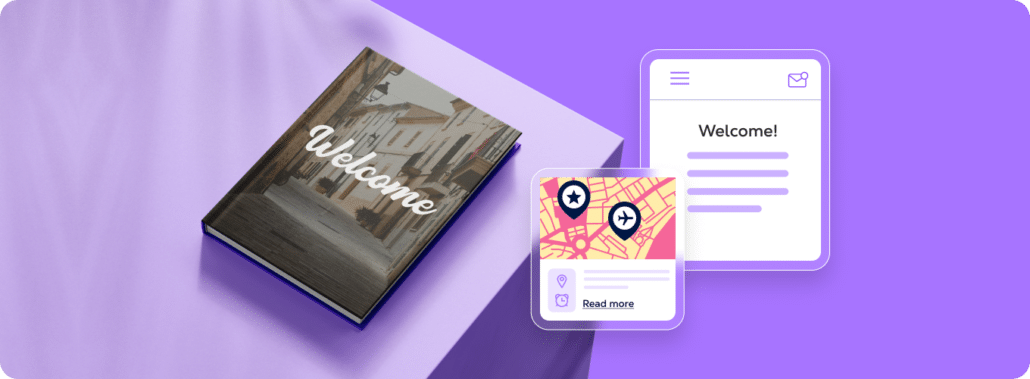
You’ve managed the booking, handled the payments, and set the stage for a great stay. Now, how do you ensure guests arrive feeling confident and cared for, not just like another transaction? You need a welcome book that does more than just list rules; it actively guides them through your property and local area, boosting satisfaction and minimizing your operational headaches. Think of it as a silent concierge, working 24/7 to answer questions before they even ask.
Don’t miss this chance to solidify your guest’s experience and protect your peace of mind. A well-crafted welcome book isn’t fluff; it’s a critical operational tool that reduces inquiries, prevents issues, and lays the groundwork for glowing reviews. It’s how you scale personalized service without being physically present.
TL;DR
- A welcome book reduces common guest inquiries, saving you time.
- It provides essential property and local information proactively.
- Clearly communicates house rules, minimizing misunderstandings and issues.
- Offers local recommendations that enhance the guest experience.
- Can be digital or physical; digital options allow pre-arrival sharing.
- Contributes directly to higher guest satisfaction and better reviews.
- An effective welcome book is an operational asset, not just a nice-to-have.
Why you need a guest welcome book?
You’re a professional. Your guests expect clear communication and reliable information. A welcome book delivers exactly that. It’s your opportunity to consolidate all the crucial details about their stay and the surrounding area in one accessible place. Guests aren’t always familiar with your region, or even your specific property’s quirks. Give them the intel they need to enjoy their trip without constant questions.

A guest arrives late, tired, and can’t figure out the Wi-Fi password or how to turn on the heating. They call you. Now you’re interrupted, and their first impression is frustration. With a solid welcome book, they’d simply open it, find the answer, and relax. Less friction for them, fewer interruptions for you.
How a welcome book drives operational efficiency to your short term rental?
Yes, guests benefit — but so does your operation.. A well-constructed welcome book slashes the number of calls, texts, and emails you’ll get. Guests find what they need, when they need it, independently. That frees you up for higher-value tasks like revenue management or scouting new properties. It’s a key part of automating guest communication that feels personal, even when you’re not directly interacting.
When you provide thorough, anticipatory information, that’s a strategic move, not just a hospitable one.. You’re demonstrating a commitment to their smooth experience, which directly translates into positive reviews and repeat bookings. This proactive approach saves time and prevents potential issues from escalating into negative feedback.
Craft your welcome book: Essential sections to include
Structure your welcome book logically, making it easy to navigate. Start with the basics and layer in local insights.
Start with a warm welcome and clear expectations
Your welcome letter sets the tone. Make it friendly, but also firm about what’s important. Introduce the property and the area. Keep it brief; this is a quick, reassuring handshake that leads them to the valuable information inside.

Your property contact list
Don’t make guests search for help. List essential contacts immediately. Include your property manager’s number for any home issues, plus local emergency and non-emergency services. Think of what a visitor might need in an unfamiliar place:
- Local contact (you or your designated manager)
- Police, fire, and medical emergency numbers
- Non-emergency police line
- Nearby medical clinics or urgent care
Provide crucial location information
Guests will inevitably forget something or need to run an errand. Don’t let them wander aimlessly. Pinpoint the nearest necessities.
- Pharmacy: For forgotten toiletries or minor ailments.
- Grocery store: Crucial for self-catering guests.
- Convenience store/gas station: For quick grabs.
- Laundry service: If not available in-unit.
- Post office/shipping center: For business travelers or last-minute needs.

Detail transportation options
Help guests move around efficiently. Give them the lowdown on local transport.
- Public transit: Bus routes, subway maps, schedules, and fare info. Keep current guides stocked if you use physical books.
- Ride-sharing: List available services (Uber, Lyft) and specify the best pickup points from your property.
- Taxis: Provide local taxi company contact information.
- Alternative transport: Bike shares, scooter rentals, or popular walking/biking routes.
Outline house rules and property policies
Clarity prevents conflict. Clearly state your rules and policies to protect your property and ensure a good experience for everyone.
- Wi-Fi access: Network name and password. No one wants to search for this.
- Thermostat guidelines: How to operate heating/cooling efficiently.
- Check-in/check-out process: Specific times and instructions for key return or smart lock usage.
- Noise ordinances: Especially critical for properties in residential areas.
- Parking rules: Where to park and any restrictions.
- Waste disposal: Recycling guidelines and trash collection days.
Offer helpful home tips and instructions
Anticipate questions about your property’s features. This reduces confusion and potential damage.
- Appliance instructions: How to use the TV, coffee maker, dishwasher, or alarm system.
- Location of essentials: Extra blankets, first-aid kit, fire extinguisher.
- Smart home tech: How to operate smart locks, thermostats, or lighting systems.
Curate local experiences and dining guides
Your local expertise is a huge value-add. Don’t just list tourist traps; share genuine recommendations.
- Attractions: Highlight popular spots and hidden gems for various interests.
- Dining: Offer a range from casual to fine dining, mentioning local specialties or happy hour deals.
- Shopping: Guide them to local boutiques, antique shops, essential stores, and souvenir spots.
Choosing your welcome book format
You’ve got options for delivering this critical information. Pick what works best for your operational flow.
| Management Function | Traditional Physical Book | Modern Digital Guidebook |
|---|---|---|
| Accessibility | On-site only | Accessible anywhere, anytime (pre-arrival, during stay) |
| Updates | Manual, time-consuming, costly to print | Instant, real-time updates |
| Interactivity | Static text and images | Links to maps, websites, videos, integrated upsells |
| Cost | Printing, binding, wear and tear | Software subscription, initial setup |
| Eco-friendliness | Paper consumption | Paperless |
For hosts managing 1–3 listings, Guesty Lite™ offers core automation, including tools for communication workflows, which can integrate a digital guidebook or automated messages with local recommendations. You’re already communicating with guests; make that communication richer and more efficient. Use automated messaging to send check-in instructions, local recommendations, and follow-ups so every guest feels welcomed throughout their stay.
FAQ
Keep it concise, well-organized, and visually appealing. Use clear headings, bullet points, and photos. Emphasize the benefit to them (e.g., “Find the best local coffee in minutes”). For digital versions, you can use automated messaging to highlight key sections upon arrival.
Be direct and clear. State rules positively where possible (“Please keep noise to a minimum after 10 PM” instead of “No loud parties”). Explain why certain rules exist (e.g., “To maintain the quiet enjoyment of our neighbors”). Place this section prominently.
Absolutely. Your personal insights are invaluable. Just specify that these are your recommendations. “Sarah’s favorite breakfast spot” adds a human touch without sounding like an official endorsement.
Yes, for most properties. Digital guidebooks offer more flexibility, real-time updates, and interactive elements like direct links to maps or restaurant websites. They’re accessible on guests’ phones, which is usually more convenient. You can deliver this through a branded guest app, which also allows for easy upsells like early check-in or late checkout.
Review it quarterly or whenever local attractions, services, or your property’s features change. Keep contact numbers current. Outdated information creates frustration.
You can’t force them to read it, but a well-designed book significantly increases the chances. Automated messages that direct guests to specific sections for common questions (like Wi-Fi) can help. When a guest asks a question answered in the book, you can politely refer them to the relevant section. This trains them to use the resource.