
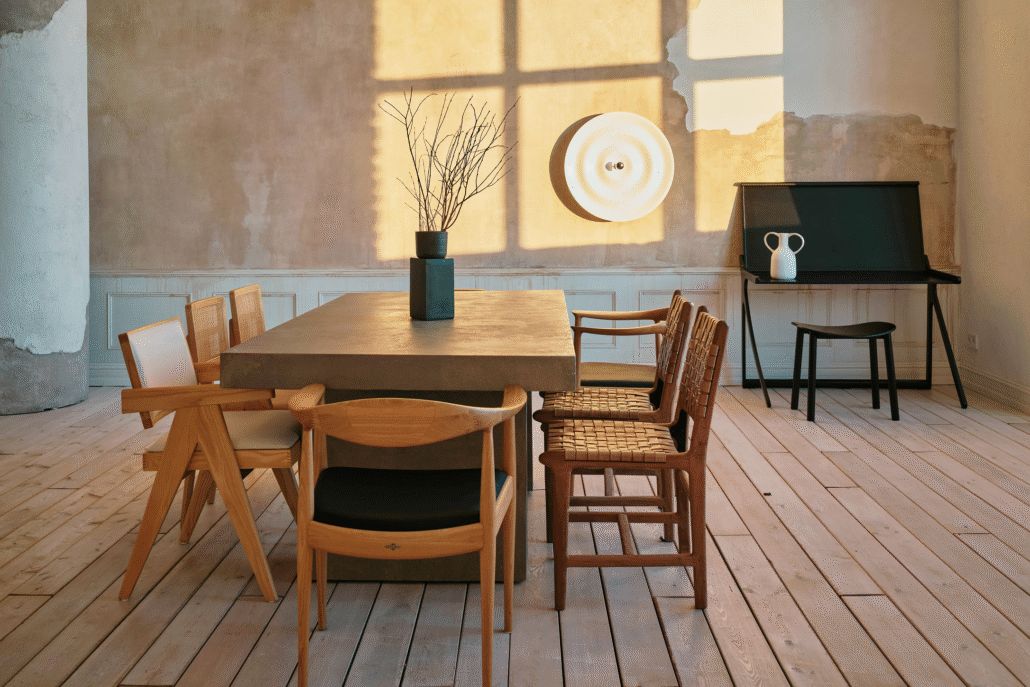
Self-catering accommodation is a rental where guests have full kitchen facilities to prepare their own meals, removing the need for on-site staff or scheduled dining services. By 2026, this model has evolved from a budget-friendly alternative to a premium preference. Travelers now prioritize “invisible service” (tech-enabled independence) over traditional hotel hospitality, and property managers are capitalizing on lower overhead and higher margins.
TL;DR
- Self-catering means guests cook for themselves using a fully equipped kitchen you provide.
- The 2026 traveler wants autonomy, not pampering. This model delivers exactly that.
- Hosts cut costs by eliminating food and beverage expenses and daily housekeeping labor.
- Profitability depends on the right tech stack: automated check-ins, guest communication, and turnover management.
- Scale matters. Match your tools to your portfolio size.
How does self-catering differ from hotels and B&Bs?
Understanding the operational differences is key to choosing the right business model. B&Bs rely on high-touch personal service. Self-catering relies on high-tech convenience.
| Feature | Self-catering rental | Hotel / B&B |
| Dining | Full kitchen provided; guest cooks | On-site restaurant or breakfast service included |
| Staffing | Minimal (cleaning between stays) | High (reception, kitchen, daily housekeeping) |
| Privacy | High (exclusive use of space) | Low (shared lobbies, dining areas, hallways) |
| Overhead | Low (utilities + turnover cleaning) | High (food costs, 24/7 staff wages) |
| Guest appeal | “Live like a local” independence | Full-service pampering and convenience |
A common question: “Is Airbnb self-catering?” By nature, yes. Most short-term rentals fall under this umbrella because they offer a kitchen and privacy rather than staffed services. But in 2026, the definition has evolved beyond just having a stove.
Modern self-catering is about autonomy. The guest controls the schedule, the menu, and the experience. For hosts, the value proposition is clear: you provide the infrastructure for a great stay, not the daily labor of serving it.
What must a 2026 self-catering rental include?
To command top dollar, you can’t provide a hot plate and a mini-fridge. Guests expect a true “home away from home.”
The essentials (non-negotiables):
- Full kitchen kit: pots, pans, sharp knives, cutting boards, and dining ware for maximum occupancy
- High-quality linens and enough towels for the duration of the stay
- Starter packs: dish soap, sponges, toilet paper, and trash bags to get guests through the first few days
The elevated standard:
- High-speed Wi-Fi for digital nomads and streaming
- Smart appliances: coffee makers with timers, washer/dryers, and dishwashers are now expected in premium rentals
- A curated digital guide to local bakeries, grocery stores, and restaurants (since you aren’t serving breakfast, point guests to the best spots nearby)
How do you manage “unmanaged” stays?
The paradox of self-catering: providing an unmanaged guest experience requires robust backend management. If you aren’t there to hand over keys, how do you ensure security and satisfaction?
Digital check-in and keyless entry
Meeting guests at the door is outdated. In 2026, guests prefer to let themselves in. Smart lock integrations generate unique codes for every reservation, providing 24/7 access for guests and a security log for you.
Automated guest communication
Guests in self-catering units have questions: “How do I turn on the oven?” or “Where’s the nearest supermarket?” An AI-enhanced Unified Inbox answers these FAQs instantly. You provide the concierge experience without hiring a concierge.
Turnover management
No daily housekeeping means the turnover between stays is critical. A system that automatically assigns tasks to your cleaning crew the moment a guest checks out ensures the property is pristine for the next arrival without you sending a single text. Guesty’s task management tools handle this automatically.
How should you match your tech stack to your portfolio?
Your tools should fit your scale. Whether you’re renting out a single unit or managing a portfolio of luxury villas, the right platform makes self-catering profitable.
For individual hosts (1–3 units): Guesty Lite
If you’re running a small self-catering business, your goal is likely passive income with minimal stress. Guesty Lite makes this possible.
- Use the built-in website builder to take direct bookings and reduce OTA fees
- Set up automated messages for check-in and checkout so you can run your business from your phone while working a full-time job
For professional managers (4+ units): Guesty Pro
For larger portfolios, self-catering becomes a logistics operation. Guesty Pro provides the infrastructure for operational excellence.
- A Unified Inbox consolidates messages from Airbnb, Vrbo, and Booking.com into one stream
- Task management coordinates large cleaning teams, and owner reporting keeps investors informed
Why self-catering is the future of travel
Self-catering is no longer a trend. It’s the standard for modern travel. Providing independence through technology creates a better experience for guests and a more profitable business model for you. The key: automate the invisible details so guests enjoy the visible benefits of a private, independent stay.
FAQs
The main difference is the service model. Self-catering accommodation provides facilities for guests to cook their own meals and offers more privacy. Hotels typically include daily housekeeping, room service, and on-site dining options.
Yes. Modern self-catering standards require all linens, including sheets and towels. Guests are generally expected to wash them during long stays, or the host may offer a mid-stay clean for a fee.
Yes. The vast majority of Airbnb listings are self-catering. They provide guests with a kitchen and the independence to manage their own stay, distinct from the serviced nature of a hotel.
The 2026 industry standard is smart locks or keyless entry systems. Guests check in via a code sent to their phone, eliminating the need for physical key handovers and giving you a complete access log.
Self-catering significantly cuts overhead costs. You don’t pay for kitchen staff, front desk agents, or daily housekeeping, allowing for higher profit margins compared to traditional hospitality models.