

If you’re earning money through Airbnb – whether it’s a spare room a few weekends a year or a full-time rental operation – you’ve probably asked: Do I have to pay taxes on Airbnb income? The short answer? Yes. In most cases, Airbnb income is taxable and must be reported to the IRS.
This guide explains the key rules, IRS requirements, forms, and deadlines you need to know as a U.S. host. We’ll also share actionable tips and tools to simplify the tax process and help you avoid costly mistakes.
1. Is Airbnb income taxable in 2025?
Yes, Airbnb income is considered taxable by the IRS. Whether you rent out a private room, entire property, or guest house, even for a few nights, you’re expected to report that income on your federal tax return.
According to the IRS:
“Payments received for rental of a residence, even on a casual basis, are taxable.”
IRS Reporting Thresholds for 2024–2025
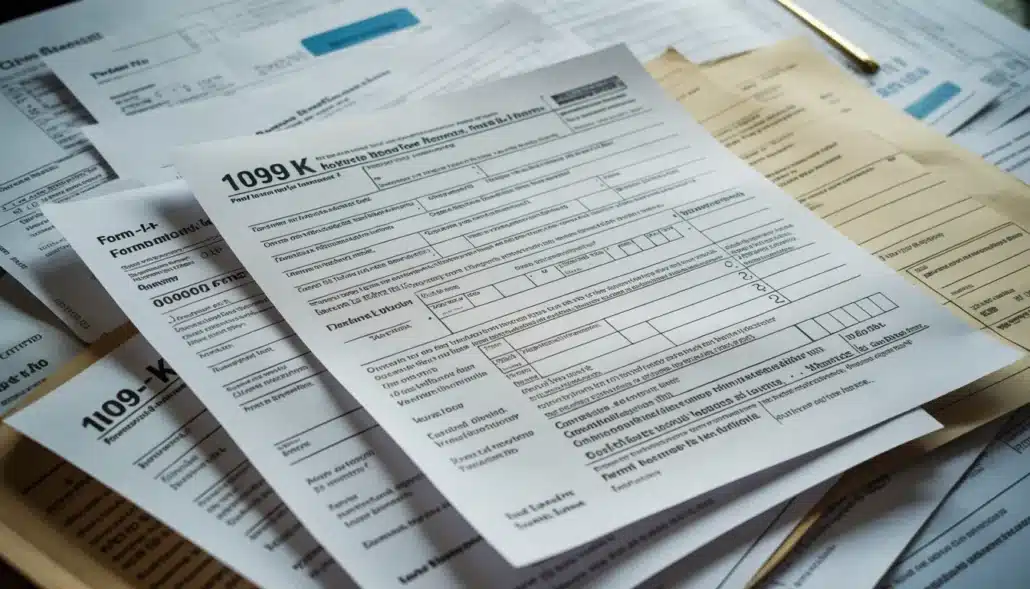
Due to recent policy updates, Airbnb (and other platforms) must send you a Form 1099-K if you earn over $5,000 during the year. This is part of a phased approach to implement a new $600 reporting threshold introduced under the American Rescue Plan.
Even if you earn less than $5,000 and don’t receive a 1099-K, you are still required to report all rental income. The form is only a reporting tool, it doesn’t define your obligations.
2. When you don’t have to pay taxes: The 14-day rule
Let’s say you only occasionally rent out your home or a spare room. Good news: You might not have to pay any taxes on that income. That’s because the IRS has something called the 14-day rule, and it’s surprisingly simple (once you break it down).
Here’s how it works:
You don’t have to report or pay taxes on your Airbnb income if you meet both of these conditions:
- You rent your property for 14 days or fewer during the calendar year
- You use the property for at least 14 days, or more than 10% of the days it was rented out
Let’s break down two examples to make this clearer:
- You rented out your lake house for 10 days during the summer and used it yourself for 20 days.
- Why this qualifies: You rented it out for fewer than 14 days and also personally stayed there for more than 14 days. Since you meet both requirements of the 14-day rule, you don’t need to report the income from those 10 rental days to the IRS. It’s legally tax-free.
- You rented out your city apartment for 15 weekends (30 days total).
- Why this doesn’t qualify: You exceeded the 14-day rental limit, so even if you lived there the rest of the year, the exception no longer applies. That income is now considered taxable and must be reported.
But what if Airbnb still sends you a tax form?
Even if you’re under the 14-day limit and meet the rules, Airbnb might still send you a 1099-K form. That’s because Airbnb is required to report any gross income over certain thresholds, even if that income might not be taxable for you.
So what should you do? You don’t need to panic. When you file your taxes, you’ll simply note that this income qualifies under the 14-day exception and doesn’t need to be reported. You’re not breaking the rules; this is a normal situation, and the IRS understands it.
Also, keep in mind:
- You can’t deduct any rental expenses (cleaning, repairs, mortgage interest, etc.) if you don’t report the income
- This rule applies to entire homes or just one room
Need help figuring it out? Airbnb explains it in their official tax FAQ.
3. Which tax forms will you receive from Airbnb?
When tax season rolls around, Airbnb may issue you one or more tax forms. These forms are designed to help you report your income accurately to the IRS. Each form serves a different purpose, and it’s important to understand what they mean, when you’ll get them, and what to do with them.
Here’s a breakdown of the most common forms Airbnb hosts may encounter:
Form 1099-K – reports your Airbnb rental income
- Purpose: This form shows how much Airbnb paid you in total throughout the year (before any deductions or service fees).
- Who receives it: You’ll get this if you earned more than $5,000 in payouts during the year (new IRS threshold for 2024).
- What it includes: Gross payments from guests, even if some reservations were refunded or canceled.
- When you’ll get it: Airbnb is required to send this form by January 31 of the following year. You’ll find it in your Airbnb account or receive it by mail/email.
- Why it matters: The IRS gets a copy, too, so if you receive it, the income is already on their radar. You’ll need to reconcile this income when you file.
Form 1099-MISC – Reports bonuses and other non-rental payments
- Purpose: This form is used for income that is not rental income. For example: referral bonuses, travel credits, and incentive payouts.
- Who receives it: You’ll get this if you earned $600 or more from non-rental activities through Airbnb.
- What to do: Report this income under “other income” on your tax return (separate from your rental income).
W-9 Form – What you need to submit to Airbnb
- Purpose: This is a request for your Taxpayer Identification Number (usually your Social Security number if you’re an individual).
- Why it matters: If you don’t submit a W-9, Airbnb is required to withhold 24% of your earnings for federal backup withholding.
- How to submit it: You’ll typically be prompted to complete this form via your Airbnb account. You can also find the official version on the IRS website.
What if you don’t get a tax form at all?
Even if Airbnb doesn’t send you a 1099 form, you are still responsible for reporting all income earned through the platform. This includes any payouts that fall below the reporting threshold. The IRS expects you to track and report all taxable income, regardless of whether you received a form.
To make this easier:
- Keep detailed records of your bookings and payouts
- Use Airbnb’s year-end summary report as a reference
- Cross-check the amount you report with your own financial records
In short: these forms help guide your reporting, but they don’t replace your obligation to report everything you earned.
4. Where to report Airbnb income: Schedule E vs Schedule C
Airbnb hosts report their income using one of two IRS tax forms: Schedule E or Schedule C. Which one you use depends on how you run your hosting operation, passively like a landlord, or actively like a business.
Let’s break it down:
Schedule E: For passive rental income
You’ll likely use Schedule E if your Airbnb activity looks more like traditional renting. That means:
- You offer a place to stay, but don’t provide extra services beyond the basics
- You clean between guest stays, but not during them
- You don’t offer meals, tours, or concierge help
- You don’t interact much with guests during their stay
Typical example: Sarah lists a basement apartment on Airbnb. Guests check in via smart lock, stay a few nights, and leave. She hires a cleaner after each booking, and that’s about it. Sarah doesn’t serve meals or book activities. This is passive income — Schedule E is the right form.
Why hosts prefer Schedule E:
- Income is not subject to self-employment tax
- You can deduct mortgage interest, property taxes, utilities, insurance, depreciation, and repairs

Schedule C: For active hosting / business income
Use Schedule C if you’re treating your Airbnb like a small business, which usually includes:
- Daily or mid-stay cleaning
- Meal prep or snack baskets
- Booking tours or offering transportation
- Frequent communication with guests
- Personalized check-ins or concierge type service
Typical example: Mike runs three furnished guest suites in his home. He greets each guest personally, provides fresh breakfast daily, and offers local tour packages. He’s actively involved and provides service beyond just a space — Schedule C applies here.
Key points about Schedule C:
- Income is subject to self-employment tax (15.3%)
- You can claim a wider range of business-related deductions
- If you use part of your home regularly and exclusively for hosting, you can claim a home office deduction
Still not sure? Ask yourself this: Am I just renting a space, or am I running a hospitality business?
If your Airbnb feels more like a hotel or bed-and-breakfast in terms of guest experience, Schedule C is the safer choice.
5. How to file Airbnb income on your tax return (even if you’re new to taxes)
Once you’ve determined how your Airbnb income should be reported — on Schedule E or Schedule C — it’s time to start the actual filing process.
Step 1: Gather your Airbnb paperwork — what you’ll need
Before you sit down to file your taxes, collect all the necessary documents. Make sure you have:
- Your Airbnb year-end summary
- Any Forms 1099-K or 1099-MISC
- Records of expenses (utilities, repairs, supplies, cleaning, insurance, etc.)
- Mortgage interest and property tax statements (Form 1098, if applicable)
Step 2: Decide how you want to file
You have two main options: do it yourself with digital tools, or work with a professional tax preparer. If it’s your first time dealing with Airbnb taxes and you feel overwhelmed by the forms and rules, hiring a tax pro (especially one familiar with short-term rentals) can be a smart move.
If you’re confident enough to file on your own, choose a tool that supports income from property rentals and is capable of generating the correct forms (Schedule E or C).
However, if you’re managing multiple listings, working with co-owners, or need to track complex financials, traditional software might fall short. In these cases, automation tools built specifically for short-term rental operators can save hours of work and prevent costly mistakes.
What about purpose-built tools like Guesty?
Guesty offers a hospitality-focused accounting feature that simplifies tax preparation and year-round financial reporting. It’s especially useful if you:
- Manage several listings or units
- Work with property owners and need clear statements
- Have to separate business income by unit or revenue stream
- Need to automate income categorization, deductions, and reconciliation
Key benefits of Guesty’s accounting feature:
- Automatically tracks and categorizes income/expenses
- Generates tax-ready reports with full transparency
- Helps maintain audit-proof books
- Handles payout reports and balances across properties
- Scales with you — from 5 to 500+ listings
If your Airbnb hosting operation is more than a hobby, Guesty gives you the tools to treat it like a business — while making tax time significantly easier.
Step 3: Enter your Airbnb income and deduct your expenses
Now it’s time to actually enter the numbers. This is where most new hosts get nervous — but don’t worry. Tax software will usually walk you through step-by-step.
Let’s break it down:
- Schedule E: Enter your gross income and deduct rental-related expenses
- Schedule C: Include all business income and expenses; pay self-employment tax if applicable
- Double-check that your expense deductions line up with the way you’re filing. For example, if you’re using Schedule C (business), you can deduct things like Wi-Fi, guest snacks, and even marketing materials. But if you’re using Schedule E (rental), stick to basic property-related expenses like repairs, cleaning, or mortgage interest. Avoid mixing personal and rental expenses without proper documentation.
Step 4: Should you make estimated tax payments?
If you’re earning a few thousand dollars or more per month, you might owe taxes that aren’t automatically withheld. In this case, the IRS may expect you to make quarterly estimated payments. Think of it like paying your tax bill in installments so you don’t get hit with one big charge later.
Use Form 1040-ES to calculate how much you owe. Many hosts make payments in April, June, September, and January. If you expect to owe more than $1,000 in taxes, the IRS may require you to make quarterly estimated tax payments.
6. Track everything: Income, deductions, and documents
The key to smooth tax filing is recordkeeping. Maintain a spreadsheet or use software to track:
- Booking income
- Fees withheld by Airbnb
- Cleaning costs and contractor invoices
- Utility and supply receipts
The better your documentation, the easier it will be to claim legal deductions and defend them if needed.
7. Final tips to avoiding IRS trouble
- File a W-9 with Airbnb early to prevent backup withholding
- Keep all receipts and label each expense clearly
- Separate business and personal use of your property
- Stay under the 14-day rule if you want to skip reporting
- Make estimated payments if your tax bill is high
Airbnb taxes may sound intimidating, but with good prep, the right tools, and clear documentation, you can stay compliant — and even save money.
Please note that this article provides general information on Airbnb income taxes and is not intended as professional tax advice. For personalized guidance, consult with a qualified tax professional.